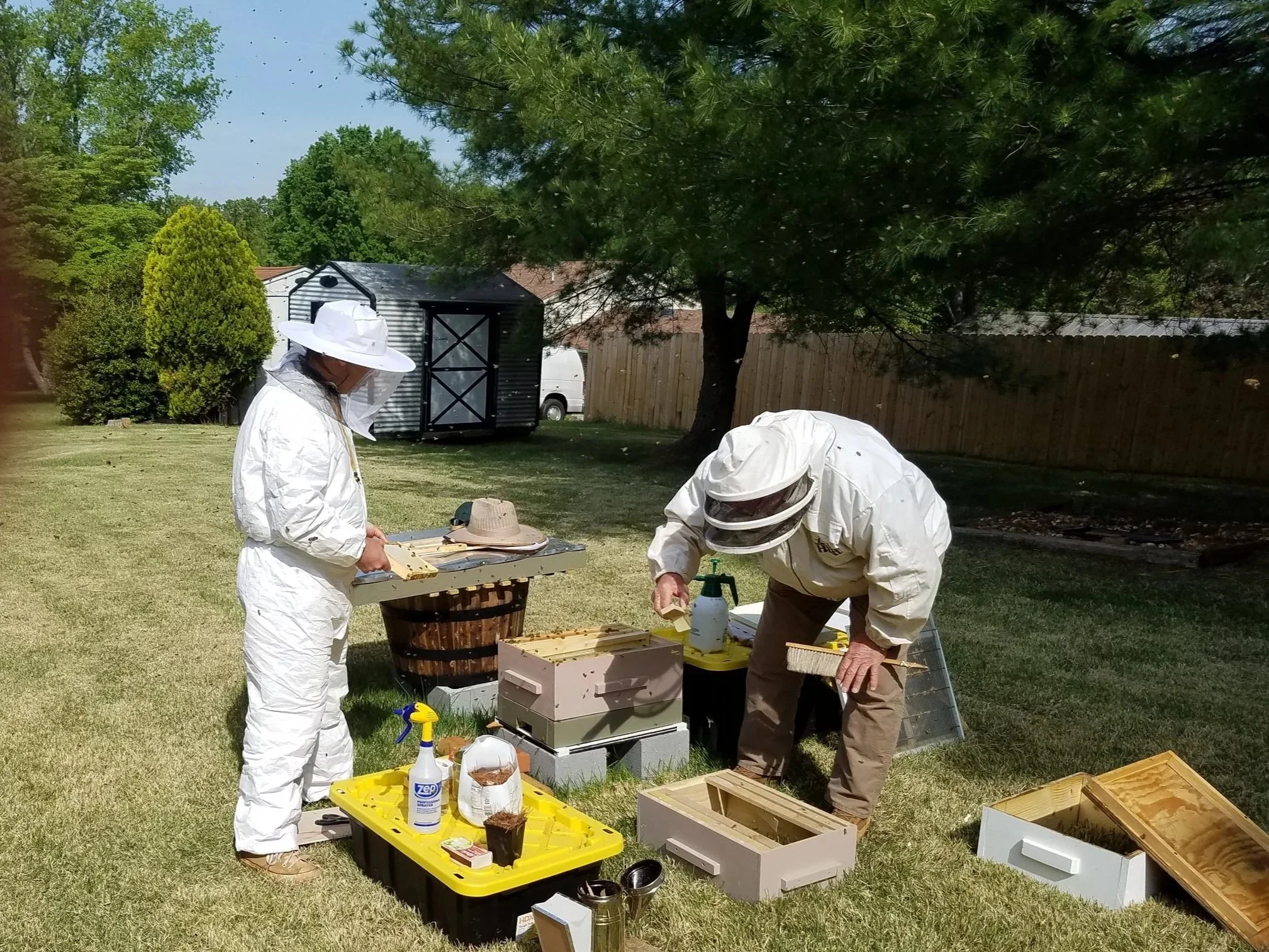
The 46th APIMONDIA Congress will be held in Montréal, Canada. APIMONDIA is the International Federation of Beekeepers’ Associations. Its major objective is to facilitate the exchange of information and discussions on apiculture by organising Congresses and Symposia where beekeepers, scientists, honey-traders, agents for development, technicians and legislators meet to listen, discuss and learn from one another. APIMONDIA meetings are fabulous events that offer great opportunities to learn about all the aspects of the beekeeping world: from morning until late evening, participants explore various exhibits and learn about cutting edge research from all parts of the world and have a unique opportunity to meet beekeepers and scientists from every corner of the planet.
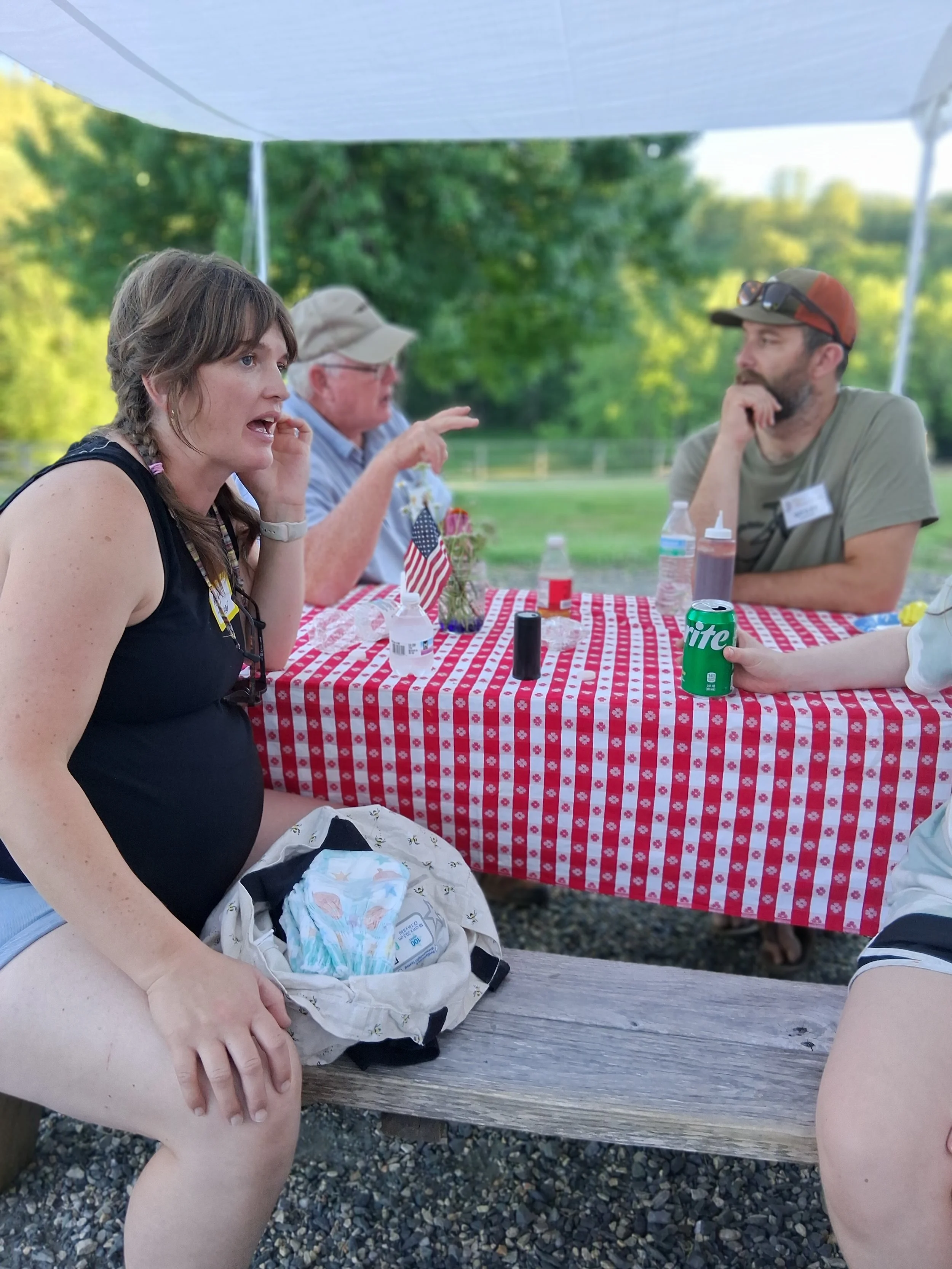
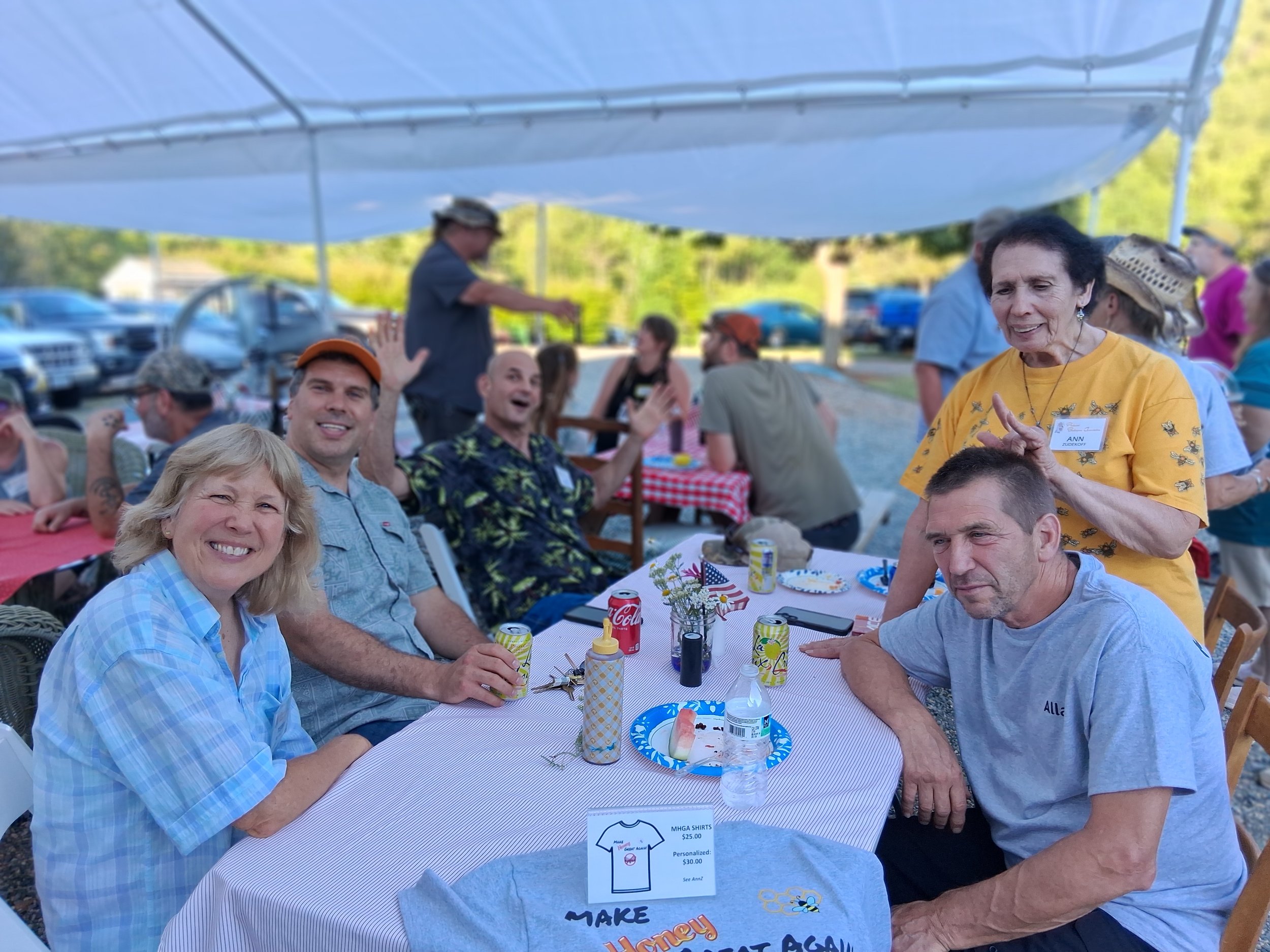
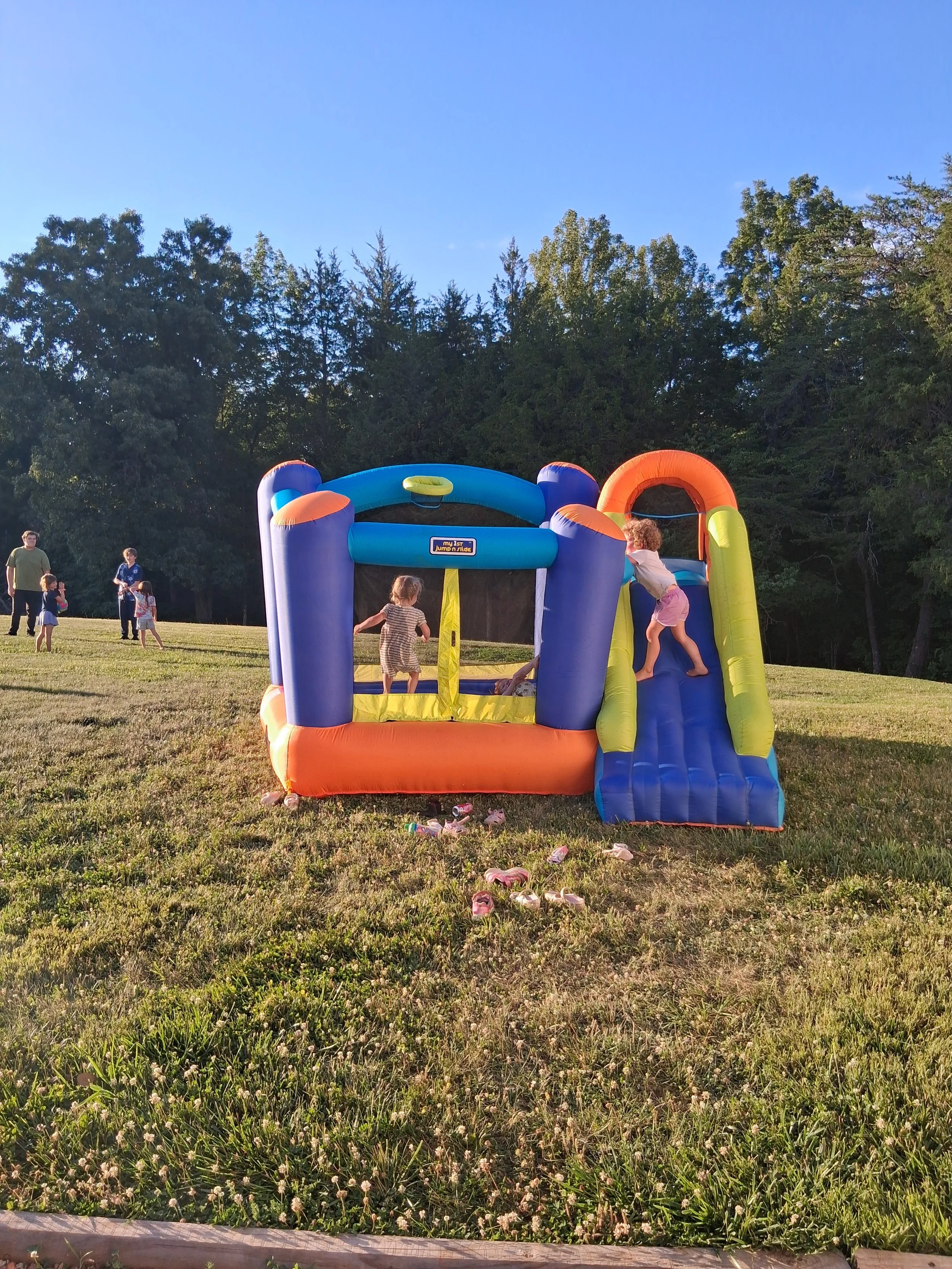
June 21, 2026 Annual PBA Picnic
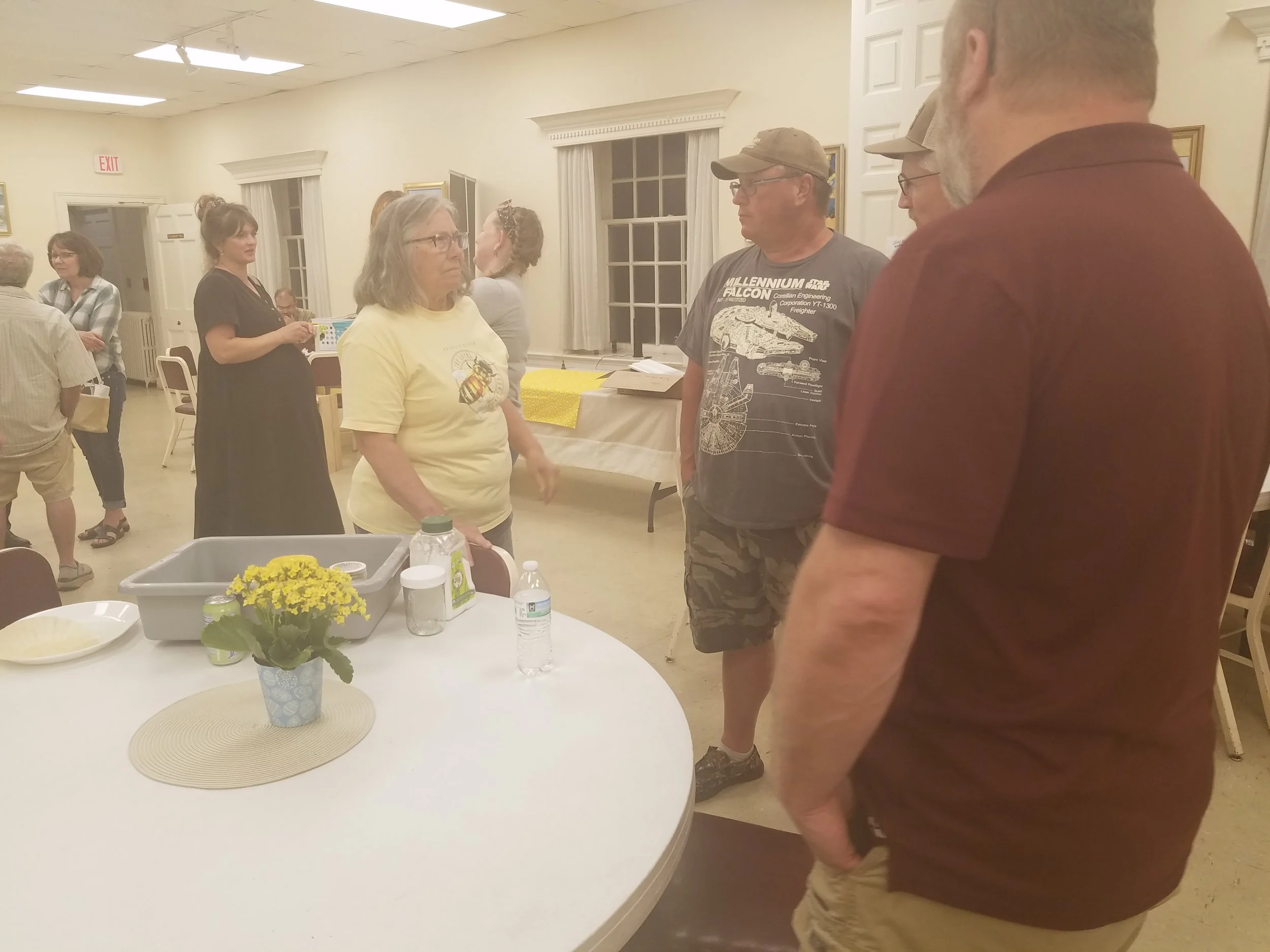
Another great club event! Thanks to all the people that helped make this a wonderful evening. It looks like the adults as well as the kids had a great time. We really have some good cooks in our group.
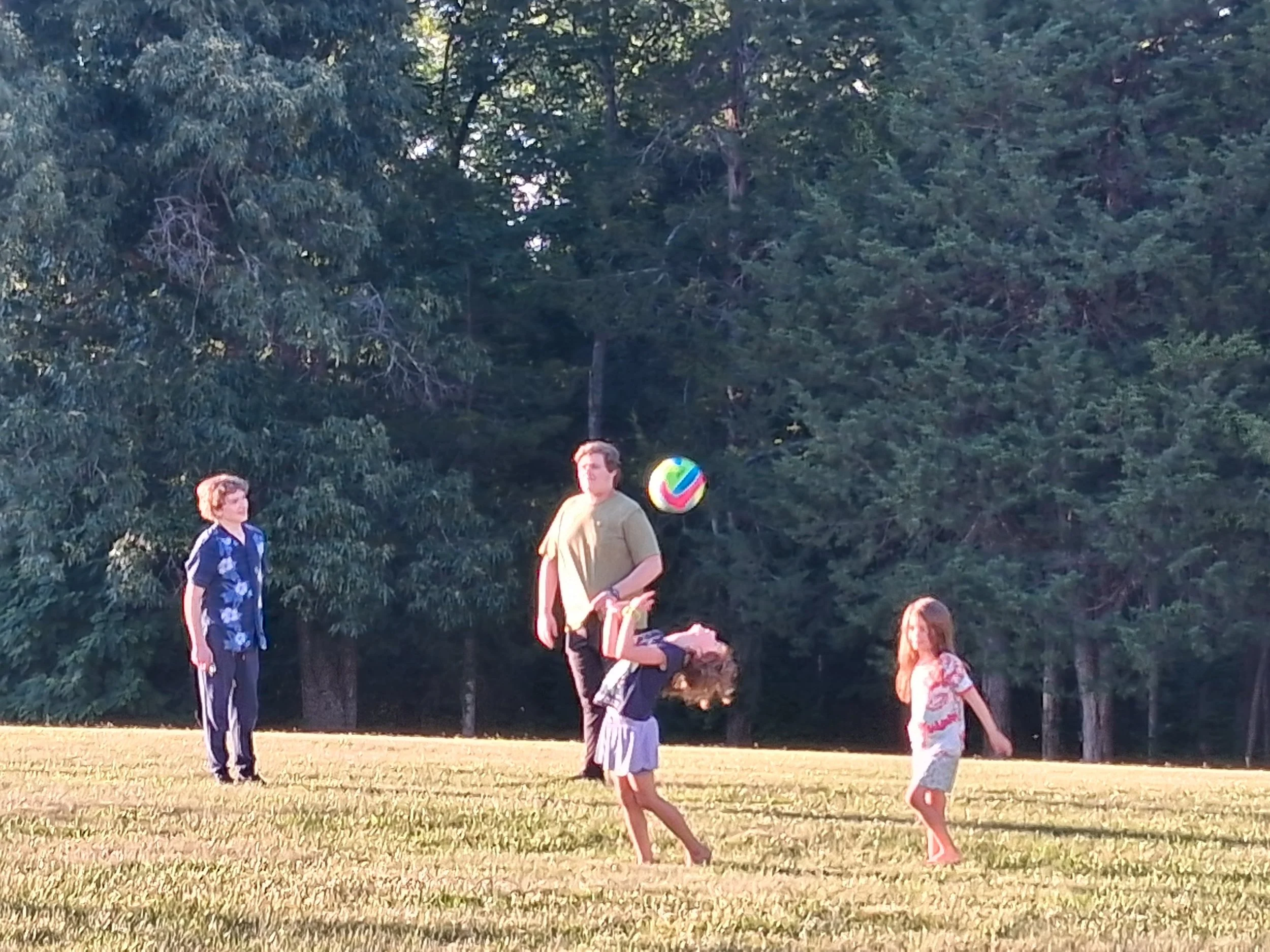
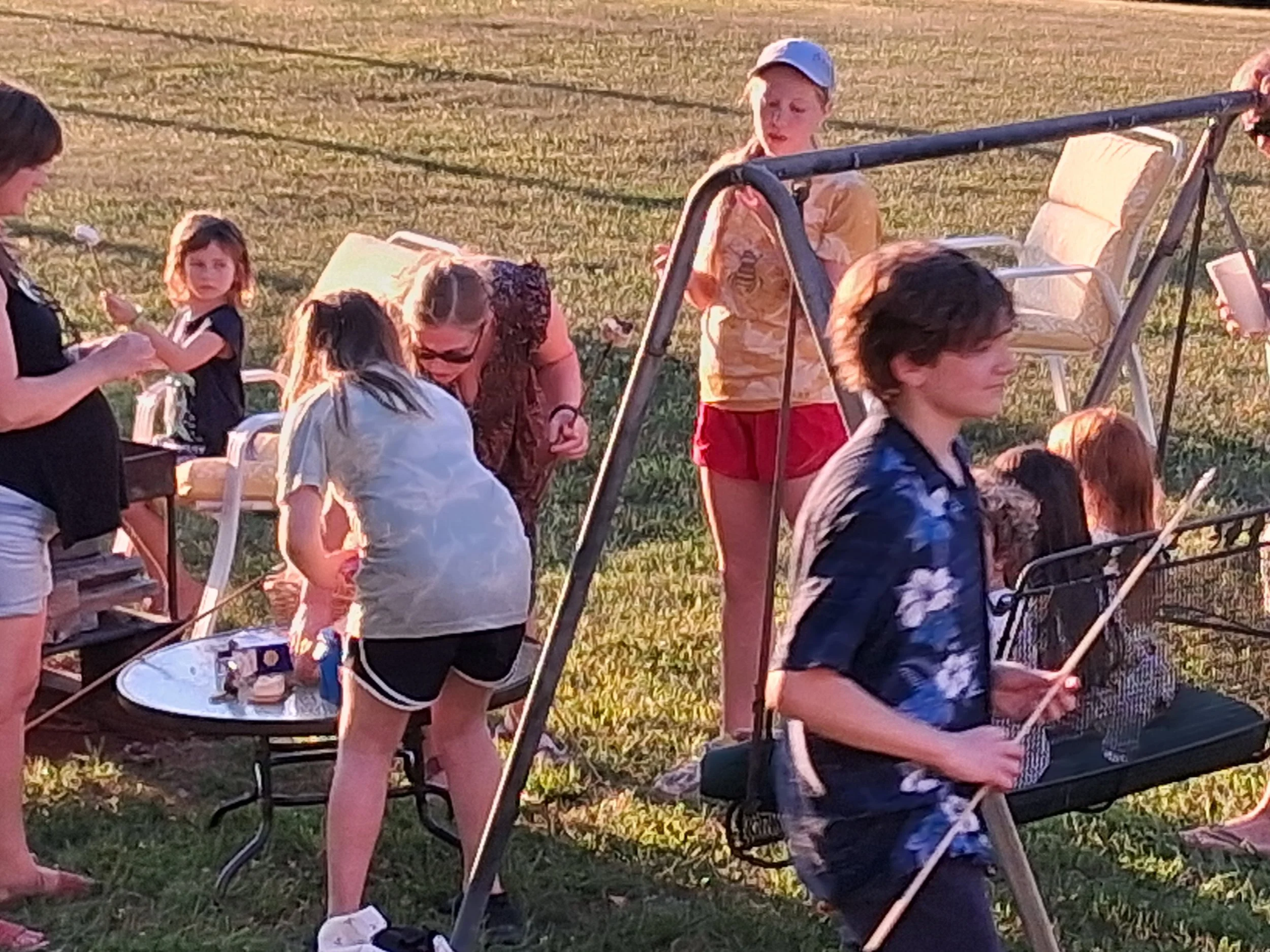
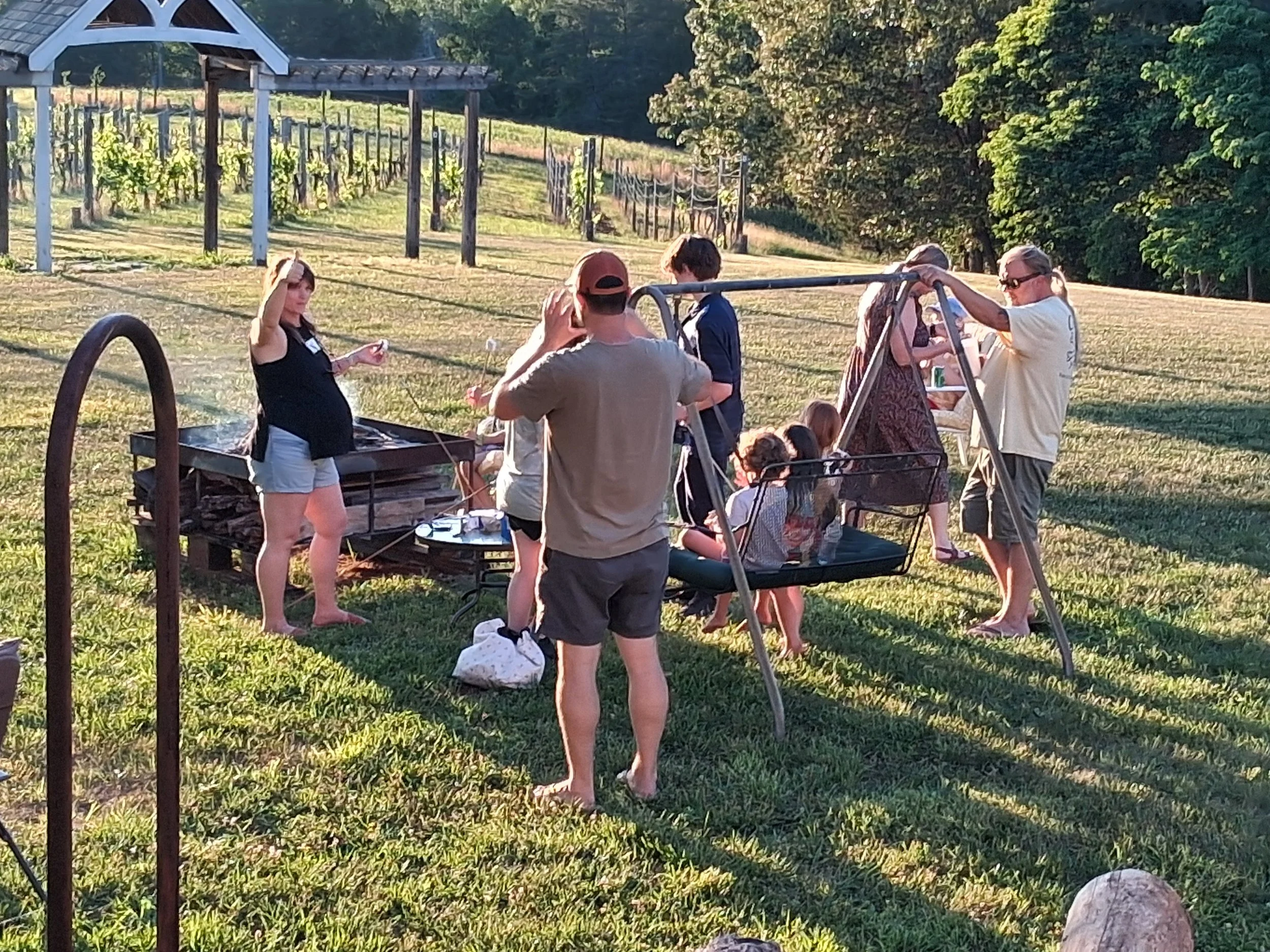
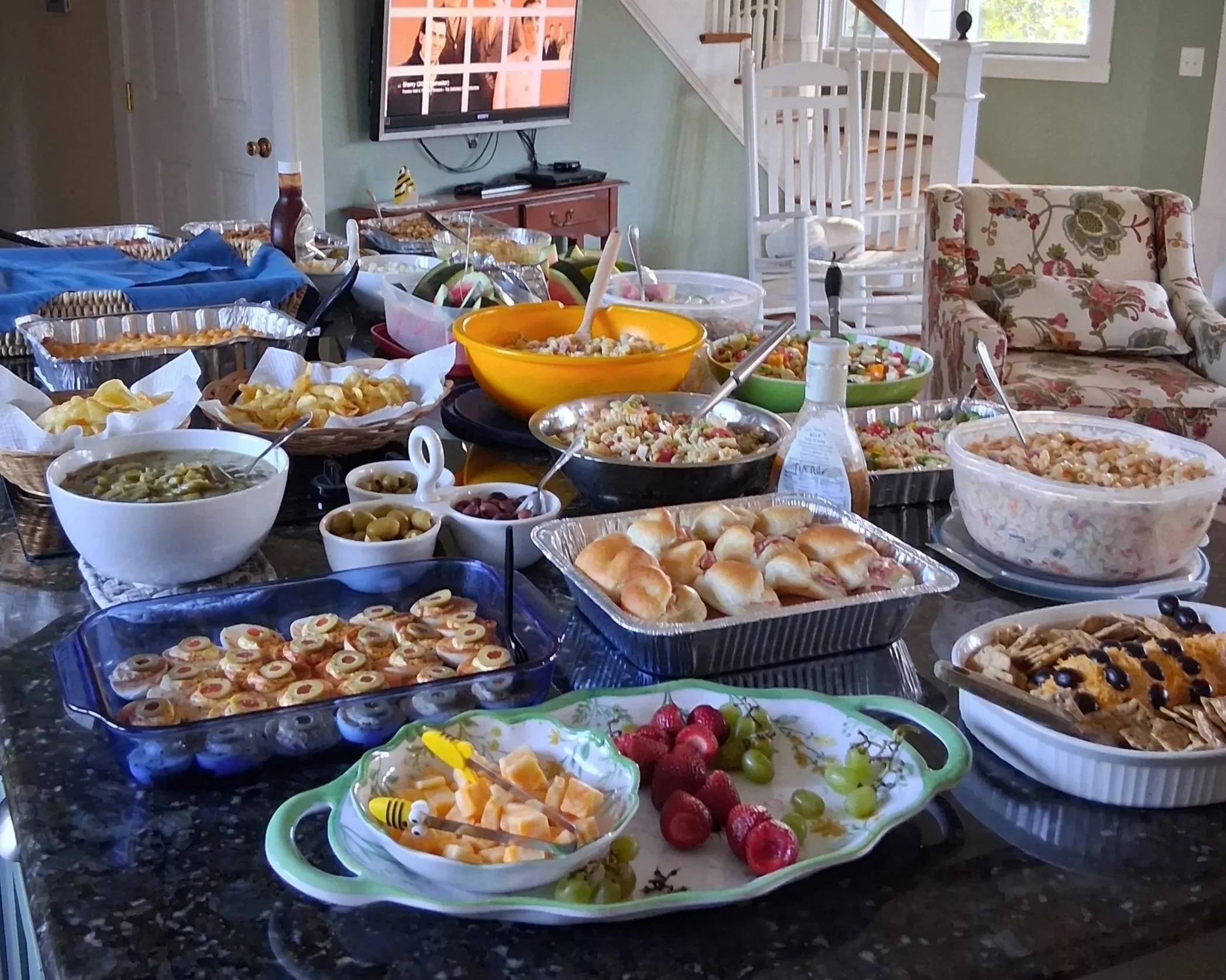
May 21, 2026 Degree day tracking and plant blooms as well as our annual plant trade.
Keith Tignor, VA State Apiarist joined us to speak about degree day tracking and plant blooms. He also gave us an update on the yellow-legged hornet and explained what to look for, how to identify, and the possible threat to our locality.
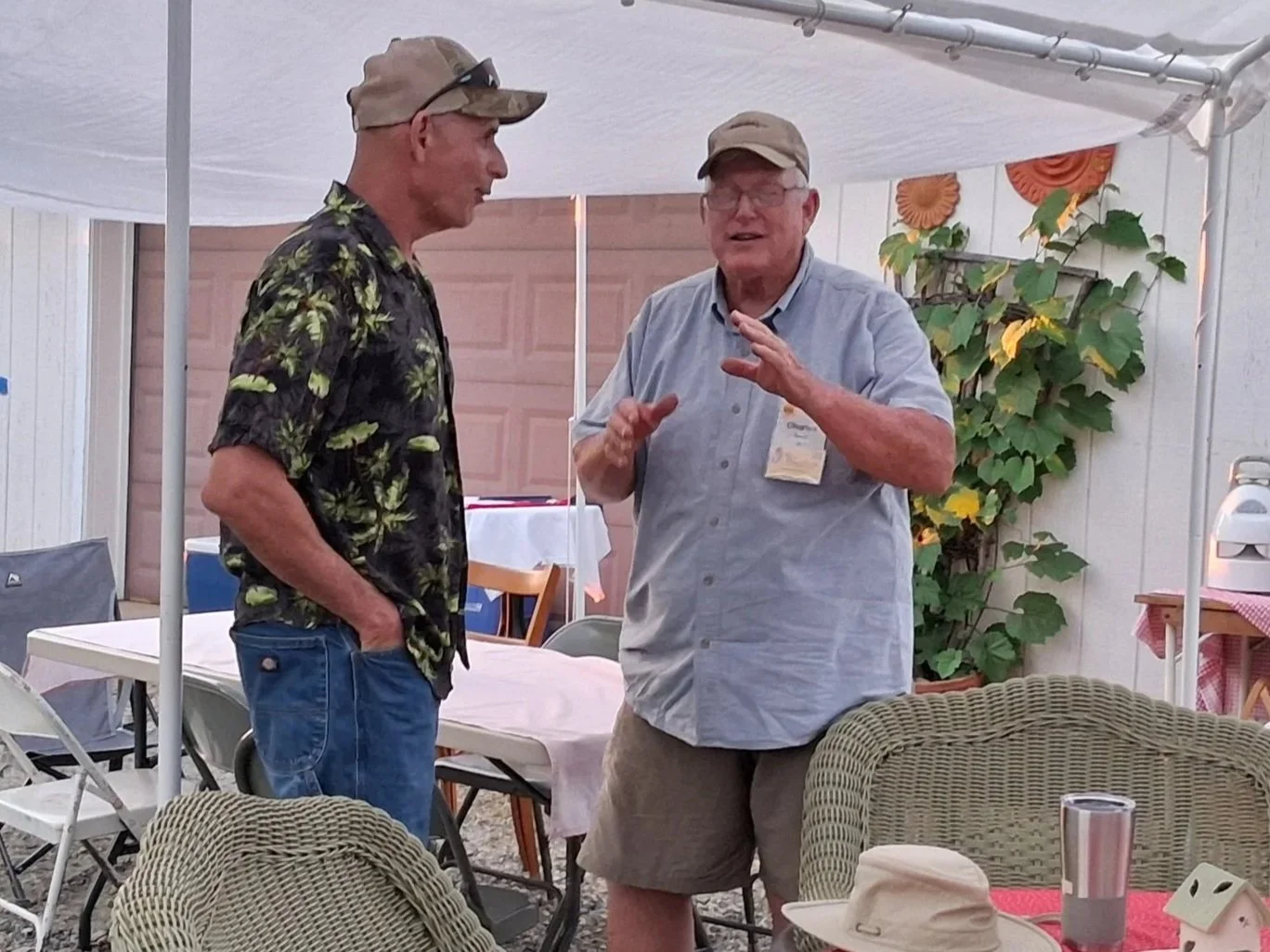

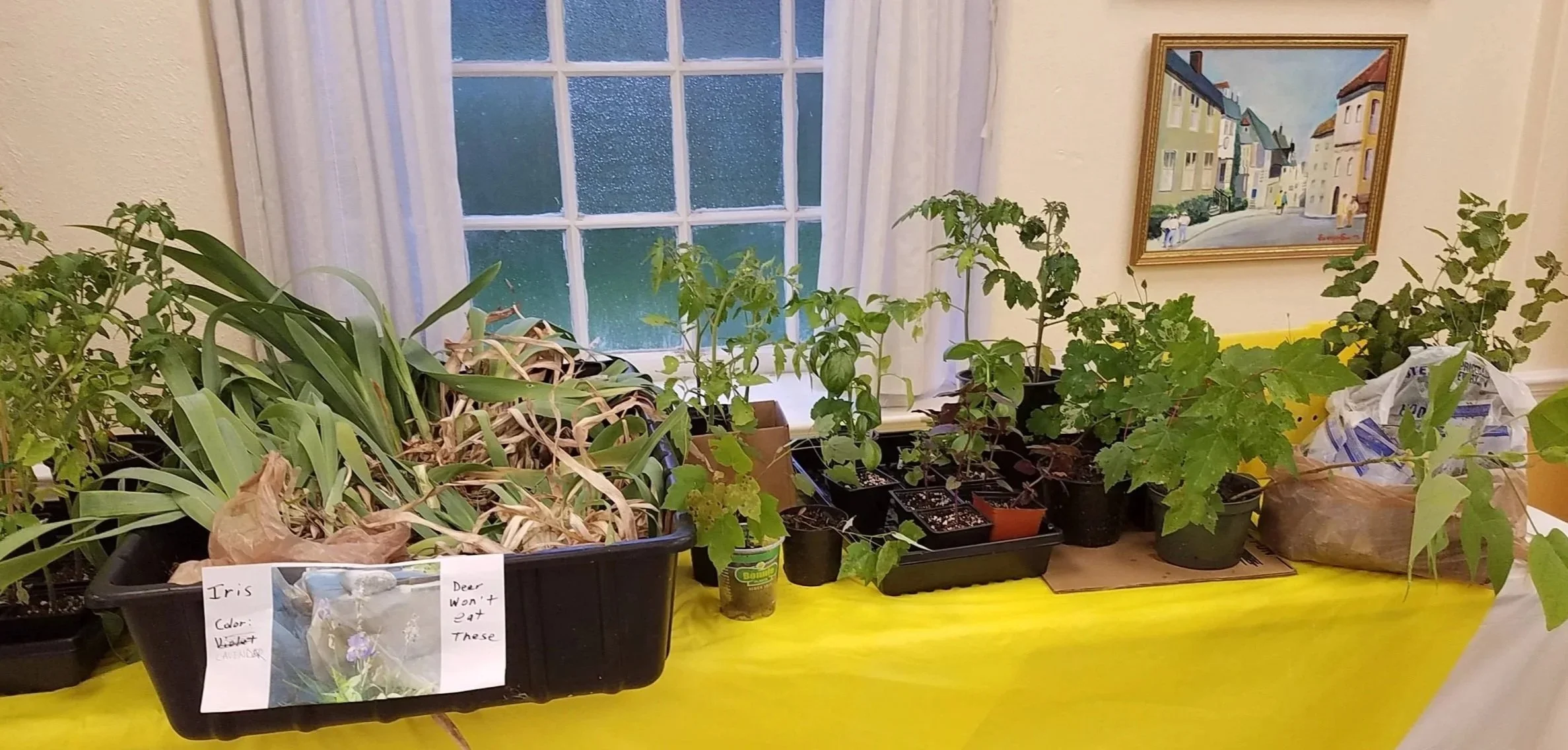
A big thank you to all that brought items for our annual plant trade. Hope you were able find something new for your gardens!
April 16, 2026 All About Bugs; The Lantern Fly and the Varroa Mite!
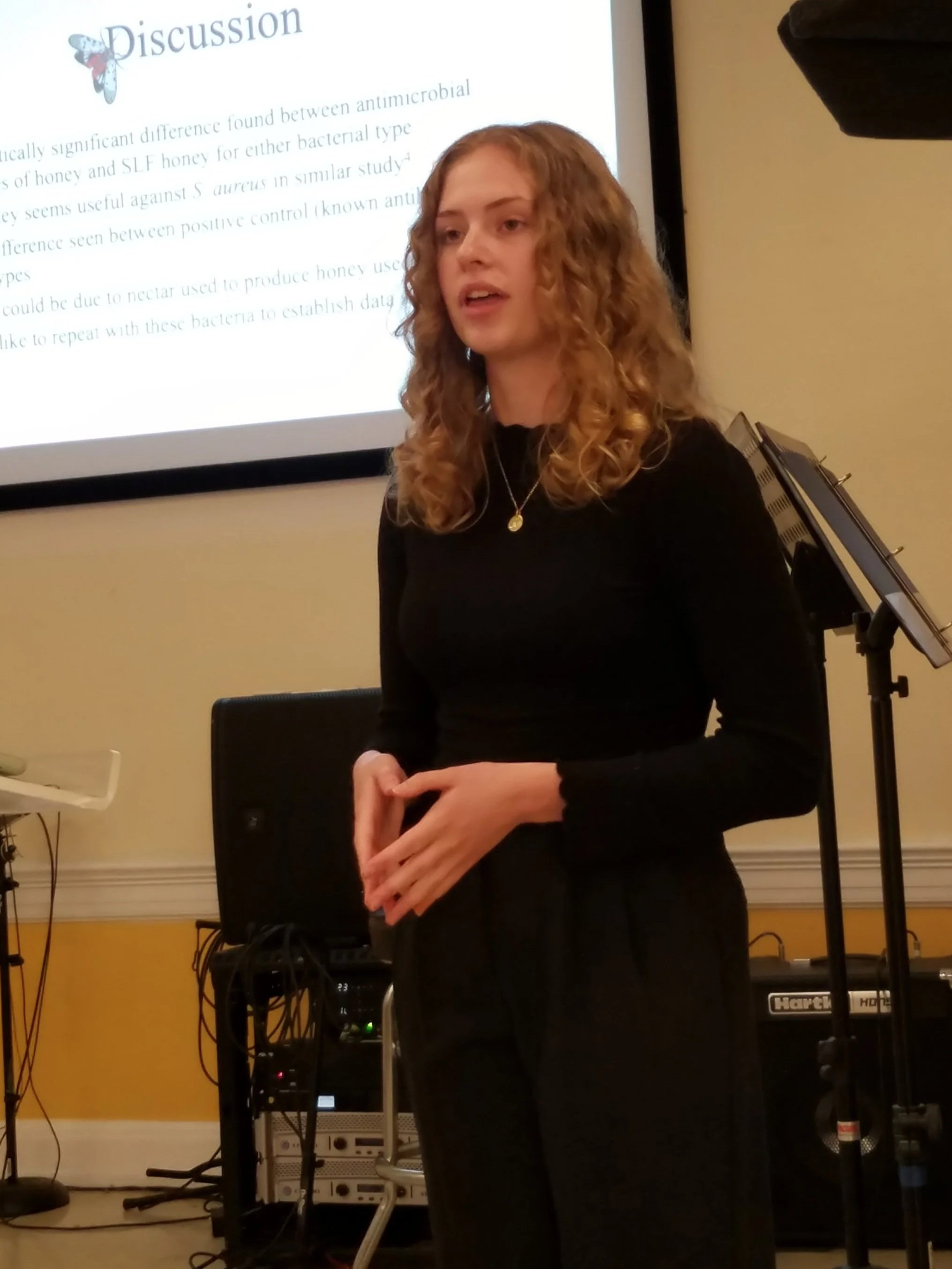
The speaker for April’s meeting was Davanna McClellan. She addressed her recent research on the potential medicinal uses of Lantern fly “honey”. Davanna is a junior at Liberty University and is the president of Liberty’s beekeeping club. She is pursuing a degree in Zoo & Wildlife Biology and hopes to someday work in the field or in a zoo.
Adult and Nymph Lantern Fly
Nymphs hatch in spring and develop into adults by summer.
Davanna McClellan
Davanna and club member, Dr. Morgan Horning, are working on a research project involving European honeybees and the invasive spotted lanternfly. Their project examines the differences in the antimicrobial performance of wildflower honey and honey contaminated with spotted lantern fly honeydew. The team decided to undertake this research because honey is used as medicine, and if it is found that one honey outperforms the other, then that specific type of honey could be marketed as more effective against bacteria.
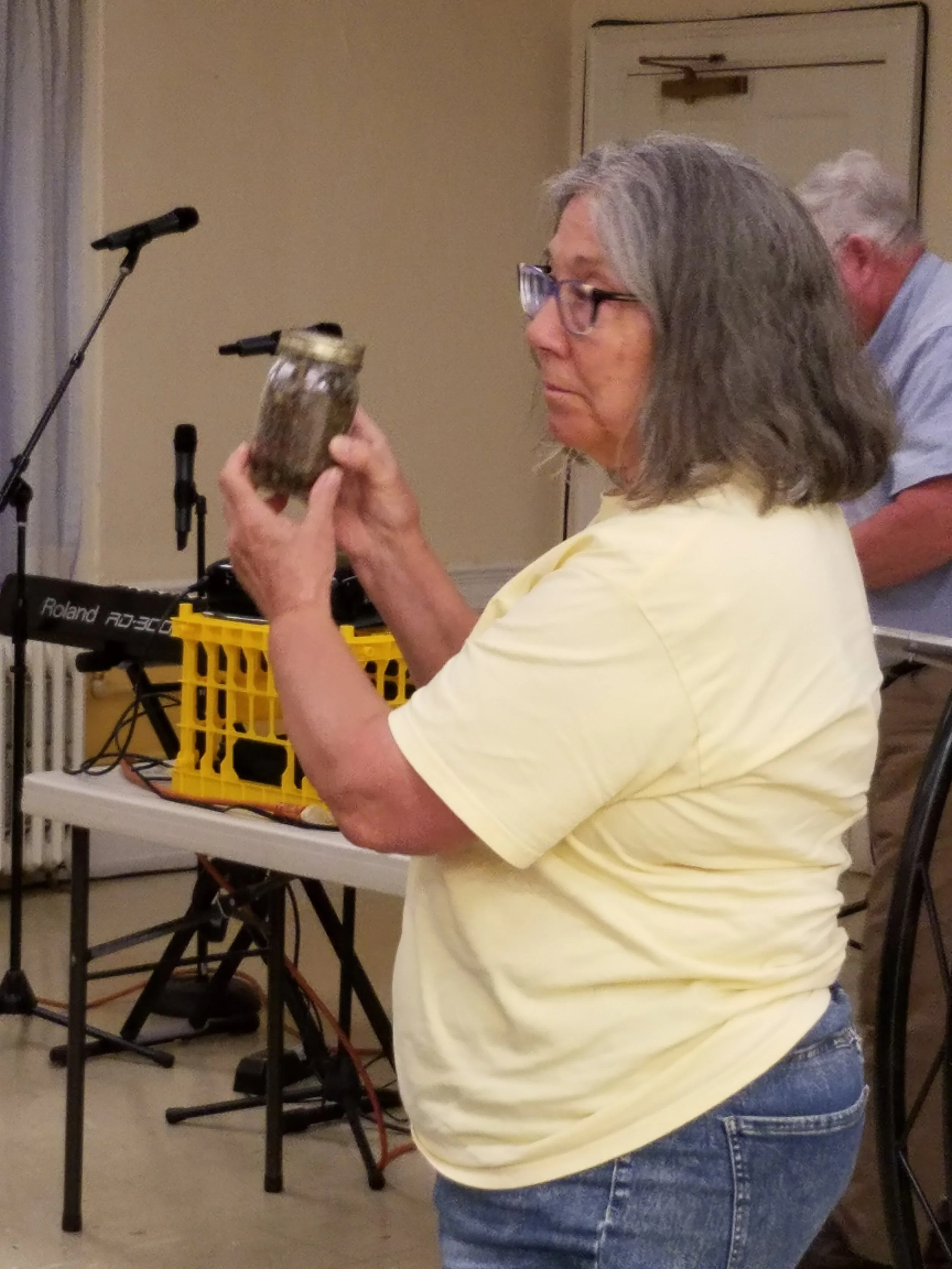
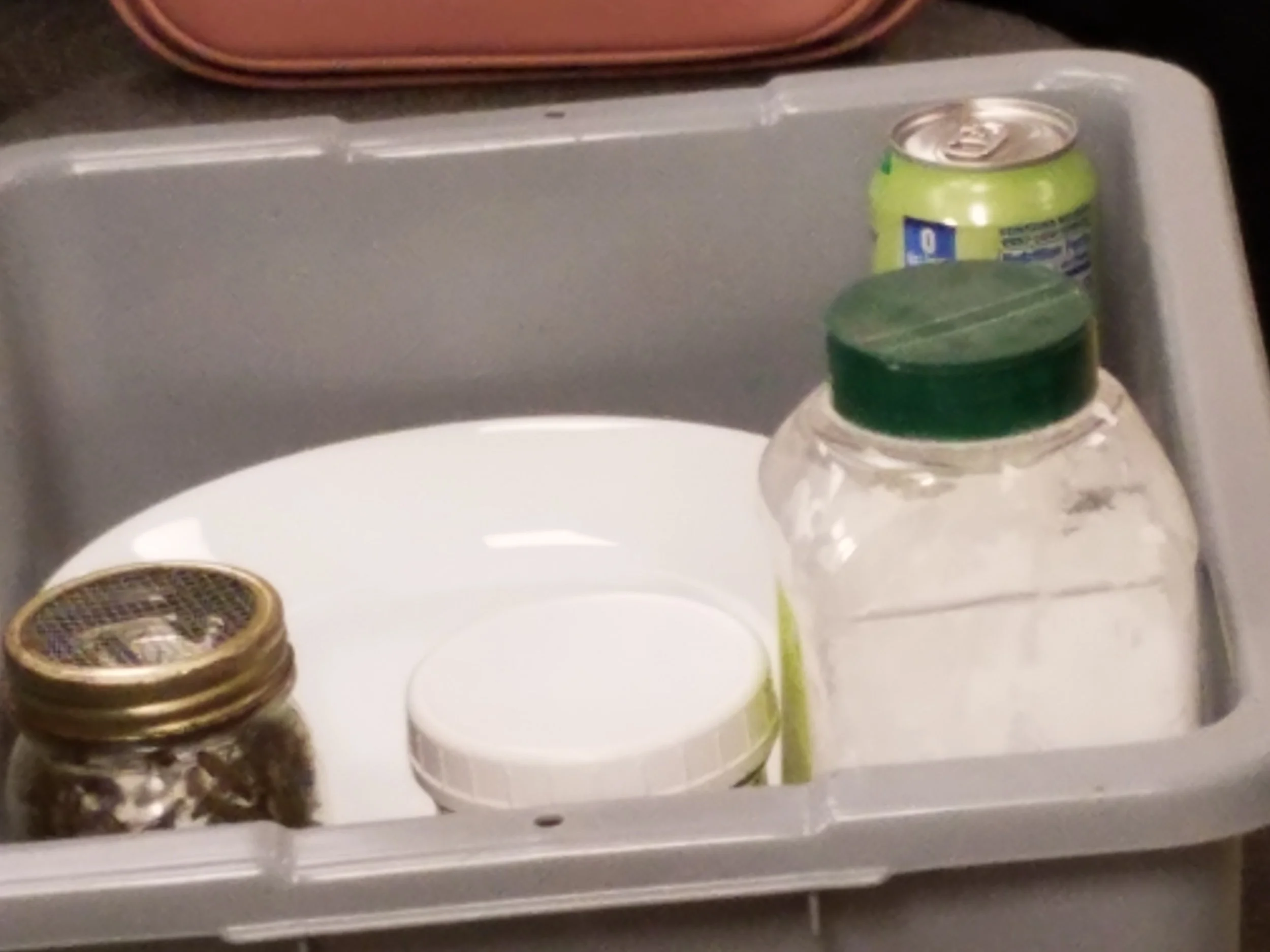
Julie Arthur demonstrated how to do a mite wash.